
Affiliate disclosure: As an Amazon Associate, Tech Rig Review earns from qualifying purchases. Links on this page may be affiliate links, at no extra cost to you.
Wondering where to buy a microphone? Compare manufacturer stores, pro audio retailers, big box shops, and used markets to find the safest, best-value option.
So you’ve decided you need a microphone — for video calls, streaming, podcasting, or recording — and now you’ve hit the real question: where do you actually buy one?
It’s not as simple as it sounds. A microphone is sold in a dozen different places, from giant marketplaces to tiny local shops, and each one trades off price, trust, and support differently. Buy from the wrong source and you might end up with a counterfeit unit, no warranty, or a 20% restocking fee if it doesn’t work for your setup.
This guide walks through every realistic place to buy a microphone in 2026: manufacturer stores, pro audio retailers, big box electronics stores, local shops, and the used market. You’ll learn the real trade-offs of each, how to avoid counterfeit gear, and how to time your purchase so you’re not overpaying.
If you’re building out your whole desk at the same time, this fits naturally alongside decisions like picking the right computer monitor for remote work — the research habits are the same, just the product is different.
What Kind of Microphone Do You Actually Need First?
Before you pick a place to shop, it helps to know what you’re shopping for. This single decision — USB or XLR — narrows down where you should even be looking.
USB Microphones


A USB microphone plugs directly into your computer. No mixer, no audio interface, no extra cables. This is the right category for:
- Video calls and virtual meetings
- Solo podcasting or streaming
- Voiceover work from a laptop
USB mics are widely stocked everywhere, including general electronics retailers, because they’re plug-and-play consumer products.
XLR Microphones
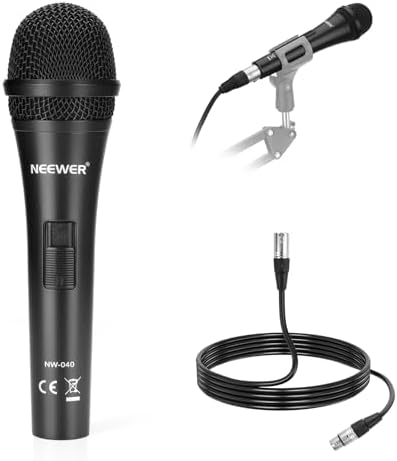


An XLR microphone needs a separate audio interface or mixer to connect to a computer. This adds cost and complexity, but it’s the standard for:
- Multi-person podcast setups
- Music recording
- Anyone who might upgrade their audio chain later
XLR mics and interfaces are more likely to be found at dedicated pro audio retailers than at a general electronics store, simply because the staff and return policies are built around that category.
Once you know which type fits your use case, the “where to buy” decision gets a lot easier, because it rules out entire categories of retailer.
Buying Directly From the Manufacturer
Brands like Shure, Rode, Audio-Technica, and Logitech (which owns Blue) all sell select models through their own websites.
Why this can be the safest option: Shure explicitly recommends buying through official channels, noting that it can only honor warranties and provide service on genuine products bought through authorized retailers. Counterfeit audio gear, the company notes, is a real and growing problem worldwide, and it isn’t always easy to spot just by looking at a listing.
The trade-off: Manufacturer sites rarely discount, and they don’t carry other brands, so you can’t compare options side by side in one cart. They’re best when you already know the exact model you want and prioritize warranty certainty over price.
Big Box and General Online Retailers

This covers Amazon, Best Buy, Walmart, Target, and similar general retailers. For USB microphones aimed at calls, streaming, or podcasting, this is where most people end up shopping, mainly because of convenience and familiar return policies.
What to watch for:
- Third-party sellers on marketplaces aren’t the retailer itself. On a platform like Amazon, you might be buying from an unrelated third-party seller rather than the platform directly, which matters if something goes wrong with authenticity or support.
- Check the seller, not just the price. A microphone listed well below the going rate from an unfamiliar seller name is a common red flag for counterfeit or gray-market stock.
- Return windows vary by category. Electronics sometimes carry shorter return windows than general merchandise, so confirm this before buying rather than assuming a blanket 30-day policy applies.
Big box retailers are a reasonable default for a straightforward USB mic purchase, as long as you’re paying attention to who’s actually selling you the item.
Dedicated Pro Audio Retailers
This category includes specialist retailers that focus specifically on musical instruments and audio gear. Compared to general electronics stores, pro audio retailers typically offer:
- Staff who actually use the gear and can answer questions about polar patterns, interfaces, or compatibility
- Bundles that pair a microphone with a stand, pop filter, or interface at a combined price
- Extended return or trial periods on certain categories, since trying a mic in your own room is often the only way to know if it suits your voice and space
- Financing options on higher-end XLR setups
If you’re buying your first XLR microphone and audio interface together, this is usually the better starting point over a general retailer, simply because the product pairing advice is built into how these stores operate.
The trade-off is that prices are less likely to fluctuate with flash sales compared to general marketplaces, though they do run seasonal promotions.
Local Music and Electronics Stores
It’s easy to forget this option exists, but a local store — whether a independent music shop or a regional electronics chain — has one advantage nothing online can fully replace: you can hold the microphone, test it against your own voice, and walk out with it the same day.
This matters more than it sounds like for anyone who’s sensitive to how a mic sounds in their actual recording space. A cardioid condenser mic that sounds great in a demo video might pick up far more room echo in your spare bedroom than expected.
When a local store makes sense:
- You want to test sound quality before committing
- You need something today, not in 2-5 shipping days
- You value being able to return or exchange in person without a shipping hassle
When it doesn’t:
- Your local selection is limited to two or three models
- You already know the exact mic and specs you want
Buying Used or Refurbished
A used or manufacturer-refurbished microphone can be a legitimate way to save money, particularly for XLR studio mics, which tend to hold their value and keep working reliably for years if cared for properly.
Places this typically happens:
- Online marketplaces built specifically for buying and selling musical equipment
- General online marketplaces and classifieds
- Manufacturer-certified refurbished programs, when available
What to check before buying used:
- Ask for a sound test or clip, not just photos, especially for condenser mics where internal damage isn’t visible.
- Check if the original box, cable, and shock mount are included — missing accessories are a common sign of a mic that’s changed hands more than once.
- Confirm whether the warranty is transferable. Some manufacturers only honor the original purchaser; others allow transfer with proof of purchase.
- Meet in person for local pickup when possible, which lets you test the mic before paying.
Used buying carries more risk than buying new, but it can meaningfully lower the cost of entry into XLR recording, which is usually the more expensive category to start in.
How to Avoid Counterfeit or Fake Microphones
Counterfeit electronics are a real and active problem, not a rare edge case. A few habits cut your risk significantly no matter where you shop:
- Buy from manufacturer-listed authorized retailers when the model matters enough to you that a fake would be a real loss. Shure maintains current listings of authorized retailers specifically so buyers can verify this before purchasing.
- Compare the price to the rest of the market. If one listing is dramatically cheaper than every other listing for the same model, don’t assume you found a deal — assume you found a reason to look closer.
- Use a credit card, not a debit card or wire transfer, for better dispute protection if something goes wrong. The FTC’s guidance on shopping online specifically recommends using a credit card for online purchases.
- Check the seller’s standing before you buy from an unfamiliar store. The Better Business Bureau lets you search any business by name to see its accreditation status, customer reviews, and complaint history in one place before you hand over payment details.
- Know who you’re actually buying from. On marketplace platforms, confirm the seller’s name and that they have an established track record, not just a product listing that looks legitimate.
None of these steps take more than a minute or two, but together they catch the vast majority of counterfeit and gray-market problems before they become your problem.
Price Tracking, Sales Events, and Timing Your Purchase
Microphone prices on general retailers fluctuate the same way other electronics do. A few timing habits help:
- Major sales events (Black Friday, Cyber Monday, and similar seasonal sales) are when general retailers discount USB mics most aggressively.
- Pro audio retailers tend to run their own promotional calendars that don’t always line up with big-box sale dates, so it’s worth checking both if you’re not in a rush.
- Back-to-school season (late summer) often brings discounts on USB mics aimed at students doing video calls and online classes.
- Price-tracking habits apply here just like any other electronics purchase — checking a product’s price history before trusting a “deal” badge is just as relevant for a microphone as it is for a monitor or a mouse.
If you’re not on a deadline, waiting for one of these windows can meaningfully lower the price on a USB mic without any added risk.
Common Mistakes to Avoid
Buying XLR gear from a general electronics store without checking for interface compatibility. An XLR mic alone won’t work with your computer — confirm you’re also buying or already own an interface.
Assuming every marketplace listing is sold by the platform itself. Check the actual seller name before trusting the listing fully.
Skipping the return policy check. Confirm the specific return window for microphones before buying, since electronics categories sometimes differ from the platform’s general policy.
Ignoring accessories. A USB mic with no stand or a boom arm sold separately can add $20–$40 to your real cost — factor that in before comparing prices across retailers.
Not testing room acoustics first. If you can, test any condenser mic (even a borrowed one) in the actual room you’ll be recording in before committing to a specific model.
Quick Checklist
- [ ] Decide USB vs. XLR before choosing a retailer
- [ ] Confirm whether you’re buying from the platform or a third-party seller
- [ ] Check the seller’s standing (BBB or manufacturer’s authorized list) for anything unfamiliar
- [ ] Compare the listed price against the rest of the market
- [ ] Confirm the specific return window for the item
- [ ] Pay with a credit card for better dispute protection
- [ ] Factor in accessories (stand, pop filter, interface) before comparing final cost
FAQ
Is it safe to buy a microphone on Amazon?
It can be, but check who’s actually selling it. If the listing is fulfilled by a specific third-party seller rather than the retailer itself, look at their reviews and track record before buying, especially for a popular brand name at an unusually low price.
What’s the difference between buying from a manufacturer vs. a retailer?
A manufacturer’s own store guarantees you’re getting a genuine, fully-warrantied product, but you can’t compare it against competing brands in the same cart. A retailer lets you compare options and often price-match, but you’re relying on them to have sourced genuine stock.
Should I buy a USB or XLR microphone as a beginner?
If you’re doing video calls, streaming, or solo podcasting, a USB microphone is simpler and requires no extra gear. XLR makes more sense if you expect to record multiple people or upgrade your setup later.
Is a used microphone a bad idea?
Not necessarily, particularly for XLR studio microphones, which are mechanically simple and tend to last for years. Ask for a sound sample, check that original accessories are included, and confirm whether the warranty transfers.
How do I know if a microphone is counterfeit before buying?
Compare the price against the rest of the market, buy from a retailer the manufacturer lists as authorized when it matters to you, and be cautious of sellers with no track record or reviews.
Do pro audio retailers cost more than general electronics stores?
Not necessarily — list prices are often similar, but pro audio retailers are more likely to bundle accessories and offer staff who can advise on compatibility, which can save money in avoided mistakes.
What payment method is safest for buying a microphone online?
A credit card generally offers the strongest dispute protection if an order doesn’t arrive or doesn’t match its description, which is why consumer protection guidance consistently recommends it over debit cards or wire transfers for online purchases.
Can I return a microphone if I don’t like how it sounds?
That depends entirely on the retailer’s specific policy for the category — some allow it, others sell electronics as final sale past a short window. Always confirm this before buying rather than assuming.
Final Thoughts
There’s no single “best” place to buy a microphone — the right answer depends on what you’re buying and how much that specific purchase matters to you. A $40 USB mic for video calls is a low-stakes purchase well suited to any big box retailer. A $300 XLR condenser mic you’ll use for years is worth the extra step of buying from an authorized retailer or a pro audio specialist who can actually answer your questions.
Whatever you choose, the habits that protect you are the same everywhere: know who you’re buying from, compare the price against the rest of the market, confirm the return policy, and pay with a method that protects you if something goes wrong.
If you’re outfitting the rest of your desk at the same time, the same price-checking habits apply to mouse pads and laptop stands as much as they do to microphones — it’s worth building the habit once and reusing it for every purchase.

MD.HASAN is an experienced SEO expert and amazon products review writer passionate about helping people find right products on amzon for buy without confusion. With 4 years of hands-on experience in content strategy and search engine optimization, he specializes in writing SEO-friendly blog posts that rank, engage, and convert.


