
Affiliate disclosure: As an Amazon Associate, Tech Rig Review earns from qualifying purchases. Links on this page may be affiliate links, at no extra cost to you.
Running out of battery when you’re away from home can be frustrating, especially when you rely on your smartphone, tablet, wireless earbuds, or other electronic devices throughout the day. Whether you’re traveling, commuting, working remotely, attending classes, or spending time outdoors, having a reliable power source can make a big difference. That’s why power banks have become essential accessories for everyday technology users.
The 10 Best Power Banks on Amazon can offer different charging capacities, portability options, charging speeds, and features to suit various needs and budgets. However, choosing the right portable charger isn’t simply about finding one with the largest battery capacity. You also need to consider charging performance, device compatibility, portability, safety features, and the number of devices you want to charge.
With so many options available, comparing different power banks can feel overwhelming. Some are designed for everyday smartphone charging, while others offer enough capacity to recharge multiple devices or support laptops.
In this guide, we’ll explain what to look for when buying a power bank, the benefits of owning one, important features to compare, and how to find an option that matches your lifestyle and charging requirements.
10 Best Power Banks on Amazon

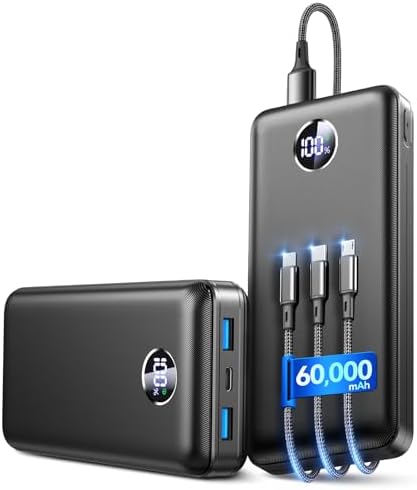
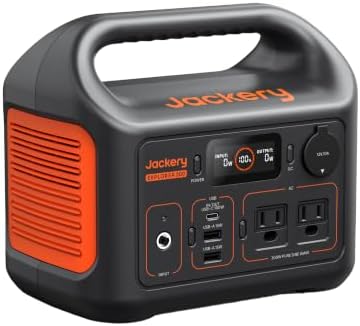


Why Do You Need a Power Bank?
A power bank provides portable electricity for compatible electronic devices when you don’t have convenient access to a wall outlet. It stores energy internally and transfers that energy to your devices through wired or wireless charging connections.
For people who use smartphones frequently, a portable charger can be particularly useful. Navigation, video streaming, photography, mobile gaming, and video calls can consume battery power quickly. Carrying a power bank helps reduce the risk of running out of battery during important activities.
Power banks are also useful for travelers. Airports, buses, trains, hotels, and outdoor destinations don’t always provide convenient charging access. A portable charger gives you more flexibility without needing to search for an available electrical outlet.
Students, remote workers, photographers, and outdoor enthusiasts can also benefit from having additional charging capacity available throughout the day.
Main Benefits of Using a Power Bank
1. Convenient Charging Anywhere
One of the biggest advantages of a power bank is the ability to recharge compatible devices without depending on a nearby electrical outlet. You can keep your smartphone powered while commuting, traveling, or working outside your home.
2. Extra Battery Backup
A power bank provides additional battery capacity when your device’s built-in battery isn’t enough for your daily activities. This can be particularly helpful during long journeys or busy working days.
3. Supports Multiple Devices
Depending on its capacity and available connections, a power bank may charge multiple devices. This is convenient if you regularly carry a smartphone, tablet, earbuds, smartwatch, or other USB-powered accessories.
4. Useful During Emergencies
Keeping a charged portable battery available can help you maintain access to essential communication and information when electricity is unavailable. It can be especially useful during unexpected power interruptions or outdoor emergencies.
5. More Flexibility for Travel
Instead of planning your activities around charging opportunities, you can carry additional battery capacity with you. Compact models are easy to store in a backpack, travel bag, or suitable pocket.
Different Types of Power Banks
Before choosing a portable charger, it’s helpful to understand the main types available.
Standard Portable Power Banks: These are general-purpose charging devices designed primarily for smartphones and smaller electronics. They come in different capacities and are suitable for everyday use.
High-Capacity Power Banks: These models store more energy and are useful for people who need multiple charges or regularly power several devices. They are generally larger and heavier than compact alternatives.
Fast-Charging Power Banks: These chargers support higher charging output through compatible charging technologies. They can reduce charging time when both the power bank and connected device support the same fast-charging standards.
Wireless Power Banks: These models allow compatible smartphones to charge without connecting a traditional charging cable. Some also include magnetic alignment features for supported devices.
Laptop-Compatible Power Banks: Designed for more demanding electronics, these models can provide higher power output through compatible USB-C connections. Always check the laptop’s charging requirements before purchasing.
How to Choose the Best Power Bank
Choosing the right portable charger depends on your devices, daily routine, and charging expectations. Here are the most important factors to compare before making a purchase.
1. Battery Capacity (mAh)
Battery capacity is one of the first specifications to check. It’s commonly measured in milliampere-hours (mAh), which indicates how much electrical charge a battery can store.
Power banks with lower capacities are generally more compact and suitable for occasional smartphone charging. Higher-capacity options are better for people who need additional charging sessions or want to charge multiple devices.
Consider your smartphone’s battery capacity and how frequently you need to recharge it. Remember that the usable energy delivered to your device is lower than the power bank’s advertised capacity because of energy conversion losses, heat, and charging efficiency.
2. Charging Speed and Output Power
Charging speed determines how quickly a power bank can supply energy to a connected device. Look at its maximum output, usually measured in watts (W).
A higher wattage can support faster charging, but only when your device and charging cable are compatible with that power level.
USB Power Delivery (USB-PD) is an important charging standard to look for, particularly if you want to charge newer smartphones, tablets, or compatible laptops. Check the supported charging profiles rather than relying only on a large wattage number.
3. USB Ports and Connectivity
The number and type of ports determine which devices you can charge and how conveniently you can connect them.
Consider these common options:
- USB-C ports for newer smartphones, tablets, and compatible laptops.
- USB-A ports for devices and cables that use traditional USB connections.
- Built-in cables for convenient charging without carrying extra accessories.
- Multiple output ports for charging more than one device.
Also check whether the power bank supports simultaneous charging and whether its total output changes when multiple ports are used.
4. Size, Weight, and Portability
A power bank should fit comfortably into your everyday routine. If you travel frequently or carry a small bag, a lightweight model may be more practical than a large, heavy charger.
Compact options are convenient for commuting, school, and everyday smartphone use. Larger models may provide more charging capacity but require additional storage space.
Think about how you plan to carry the charger before choosing its capacity.
5. Fast-Charging Compatibility
Not every device supports the same fast-charging technology. Some smartphones use USB Power Delivery, while others may support different proprietary charging systems.
Before purchasing, check your device manufacturer’s recommended charging standards. A power bank that advertises fast charging may not deliver its maximum speed to every smartphone.
6. Safety and Battery Protection
Safety should be a priority when purchasing any rechargeable battery accessory.
Look for reputable manufacturers, clear specifications, appropriate safety certifications for your market, and built-in protection against common electrical problems.
Useful protective features may include:
- Overcharge protection
- Overcurrent protection
- Overvoltage protection
- Short-circuit protection
- Temperature monitoring
Avoid power banks with unclear specifications, damaged casings, or suspiciously high capacity claims at unusually low prices.
What to Consider Before Buying a Power Bank
Before choosing from the available options, think about how you will use the charger.
Your primary device: A smartphone generally requires less charging power than a laptop. Choose a charger that meets the requirements of your most demanding device.
Daily charging requirements: If you only need occasional battery backup, a compact model may be sufficient. If you frequently use your devices throughout the day, consider a higher-capacity option.
Number of devices: People who carry several electronic devices should check the number of output ports and the total power available when charging simultaneously.
Charging the power bank itself: Check its input wattage and estimated recharge time. A high-capacity power bank with slow input charging may take a long time to refill.
Build quality: Look for a sturdy exterior, reliable connectors, and a design that can handle regular use.
Warranty and customer support: Check the manufacturer’s warranty, return policy, and available support before ordering.
Are Power Banks Safe for Air Travel?
Power banks are useful travel accessories, but lithium-ion batteries are subject to airline restrictions.
According to the US Federal Aviation Administration (FAA), spare lithium-ion batteries and power banks must be carried in carry-on baggage rather than checked luggage. Batteries up to 100 watt-hours (Wh) are generally permitted, while those between 101 and 160 Wh require airline approval. Batteries exceeding 160 Wh are generally prohibited on passenger aircraft. Federal Aviation Administration+1
To understand a battery’s watt-hour rating, you can use this formula:
\[ Wh = \frac{mAh \times V}{1000} \]
Always check your airline’s current rules and the requirements of your departure and destination countries before traveling. Some airlines impose additional restrictions.
Common Power Bank Buying Mistakes to Avoid
Choosing a portable charger based only on its advertised capacity is a common mistake. A larger mAh number does not automatically mean better charging performance.
Here are some other mistakes to avoid:
- Ignoring output wattage: A high-capacity charger may still charge your device slowly if its output is insufficient.
- Overlooking compatibility: Check whether the power bank supports your device’s charging standards.
- Choosing excessive capacity: A very large charger may be inconvenient if you only need occasional smartphone charging.
- Ignoring port limitations: Multiple ports do not necessarily mean every port delivers maximum charging speed simultaneously.
- Buying from unreliable sellers: Check product authenticity, manufacturer information, and customer feedback.
- Forgetting recharge time: Consider how long the power bank takes to recharge before purchasing.
- Ignoring safety: Avoid damaged, swollen, or poorly documented battery products.
Frequently Asked Questions
1. What capacity power bank should I buy?
The right capacity depends on your device and daily charging needs. Smaller capacities are convenient for occasional smartphone charging, while higher capacities are useful for multiple charging sessions or several devices.
2. Is a higher mAh power bank always better?
No. Higher capacity means more stored charge, but it can also mean additional weight, size, and cost. Charging speed, compatibility, efficiency, and portability are equally important.
3. Can a power bank charge a laptop?
Yes, some power banks can charge compatible laptops through USB-C Power Delivery. However, you should check the laptop’s required input wattage and the power bank’s supported output before buying.
4. How many times can a power bank charge a smartphone?
The number of charges depends on the power bank’s usable energy, your smartphone’s battery capacity, and energy conversion losses. The advertised mAh capacity should not be treated as the exact amount delivered to your phone.
5. Are wireless power banks worth buying?
Wireless power banks can be convenient if your smartphone supports wireless charging. They reduce cable dependence, although charging efficiency, heat, and alignment can affect performance.
6. How long does a power bank last?
Its lifespan depends on battery quality, charging cycles, temperature, storage conditions, and usage habits. Follow the manufacturer’s instructions and avoid exposing it to excessive heat or physical damage.
7. Can I take a power bank on an airplane?
Generally, power banks must be carried in cabin baggage, not checked luggage. Capacity limits and airline-specific restrictions apply, so check the applicable rules before flying. Federal Aviation Administration+1
Final Buying Advice
Finding the right power bank is about balancing battery capacity, charging speed, portability, connectivity, safety, and compatibility. A compact charger may be ideal for everyday smartphone users, while travelers and people with multiple devices may benefit from higher-capacity options. Laptop users should pay particular attention to USB-C Power Delivery and supported wattage.
Before making your decision, compare the available options carefully and consider which features will genuinely improve your daily charging experience.
Explore the product selection below to compare different portable chargers, check their features, and find an option that matches your devices, lifestyle, and budget.

MD.HASAN is an experienced SEO expert and amazon products review writer passionate about helping people find right products on amzon for buy without confusion. With 4 years of hands-on experience in content strategy and search engine optimization, he specializes in writing SEO-friendly blog posts that rank, engage, and convert.


