
Affiliate disclosure: As an Amazon Associate, Tech Rig Review earns from qualifying purchases. Links on this page may be affiliate links, at no extra cost to you.
Finding the right 1TB hard drive can make it easier to store important files, back up your computer, keep photos and videos safe, and transfer documents between devices. Whether you are a student, professional, photographer, or everyday computer user, having additional storage space can help you manage your digital files without constantly worrying about running out of room.
With many storage options available on Amazon, choosing the right hard drive can be challenging. Different models offer different transfer speeds, connection types, physical designs, security features, and compatibility options. Some are designed for everyday portable storage, while others are better suited to desktop computers, regular backups, and long-term file storage.
A 1TB hard drive can be a practical choice for people who need extra storage without investing in a much larger device. However, not every drive offers the same experience. Before making a purchase, it is important to understand the differences between storage technologies, check device compatibility, and consider how you plan to use the drive.
In this guide, we explain what to look for when choosing a 1TB hard drive, the benefits of having additional storage, important features to compare, and common buying mistakes to avoid. We will also help you understand which type of storage is suitable for different needs so you can make a more informed decision.
10 Best 1TB Hard Drives on Amazon
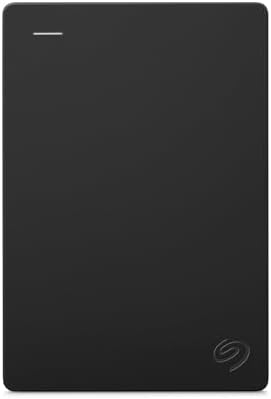
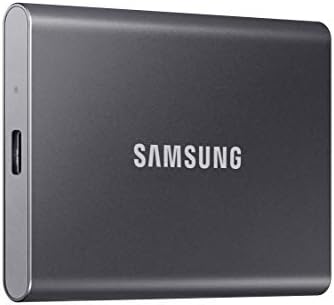

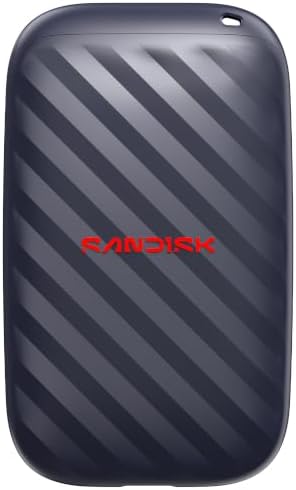


Why Should You Consider a 1TB Hard Drive?
A 1TB hard drive provides additional space for storing personal and professional files. Modern computers and laptops often contain multiple applications, large documents, photographs, videos, and other files that gradually consume available storage.
Instead of deleting useful files to free up space, an additional hard drive allows you to keep them organized in a separate storage location.
Here are some common reasons to consider a 1TB storage device:
Extra space for everyday files: Store documents, presentations, downloaded files, software backups, and personal collections without filling your computer’s internal storage.
Photo and video storage: Keep family photographs, recorded videos, and other media files in one convenient location.
Computer backups: Create additional copies of important documents and personal files to help protect against accidental deletion or computer problems.
Easy file transfers: Move files between compatible computers and other devices without depending entirely on cloud storage or internet connectivity.
Organized digital storage: Separate work documents, personal files, entertainment content, and backup folders to make information easier to manage.
Benefits of Using a 1TB Hard Drive
A dedicated storage device offers several practical advantages for people who regularly work with digital files.
1. More Storage Space
One of the biggest advantages is having additional room for your files. A 1TB capacity can accommodate a substantial collection of documents, photographs, videos, and other digital content. Actual storage requirements depend on file sizes and formats.
It is particularly useful for people whose computers have limited internal storage.
2. Convenient File Backup
Backing up important files is essential for protecting valuable information. A separate hard drive gives you another place to keep copies of important documents, business files, and personal media.
However, an external hard drive should not be your only backup. Keeping another copy in a separate location or cloud storage service provides additional protection.
3. Portable Storage Options
Many external 1TB hard drives feature compact designs that can fit inside a laptop bag or backpack. This makes them convenient for students, office workers, and professionals who need access to files while travelling.
Portable models can usually receive power directly through a compatible USB connection.
4. Cost-Effective Storage
Traditional hard disk drives generally provide more storage capacity for the money than solid-state drives. They can be a practical option when your main priority is storing large collections of files rather than achieving the fastest possible transfer speeds.
5. Flexible Everyday Use
Depending on compatibility, external storage can work with desktop computers, laptops, and selected other devices. This flexibility makes it useful for people who regularly move information between different systems.
Different Types of 1TB Hard Drives
Before choosing a storage device, understand the main categories available.
External Portable Hard Drives
Portable external hard drives are designed for people who need additional storage that they can carry around. They are usually compact, lightweight, and connected through USB.
These devices are suitable for everyday backups, storing documents, transferring photographs, and keeping media collections.
If you frequently travel with your laptop, portability should be an important consideration.
Desktop External Hard Drives
Desktop hard drives are generally larger than portable models and are designed to remain in one location. Many require an external power adapter.
They are useful for home offices, desktop computer setups, and people who regularly back up large amounts of information.
For someone specifically looking for a 1TB device, portable models may offer a more convenient form factor.
Internal Hard Drives
Internal hard drives are installed inside desktop computers or compatible laptops. They connect through an internal storage interface rather than an external USB cable.
Before buying one, check your computer’s supported drive size, physical dimensions, connection interface, and installation requirements.
Internal and external hard drives serve different purposes, so make sure you choose the correct type.
How to Choose the Best 1TB Hard Drive on Amazon
Choosing a suitable hard drive involves more than comparing prices and storage capacities. Here are the important features to examine before purchasing.
1. Storage Capacity
Start by considering how much storage space you actually need.
A 1TB drive is suitable for many everyday storage requirements, including documents, photographs, videos, and general computer backups.
Remember that the available usable capacity will be slightly lower than the advertised capacity after formatting and because manufacturers and operating systems calculate storage differently.
If you expect your collection to grow significantly, consider whether a larger-capacity option would provide better long-term value.
2. Data Transfer Speed
Transfer speed determines how quickly files can move between your computer and the storage device.
Traditional hard drives are generally slower than SSDs because they use spinning magnetic disks and moving read/write components.
For everyday document storage and occasional backups, a traditional HDD may be sufficient. However, if you frequently transfer large video files or work with demanding applications, a portable SSD may be a better choice.
Do not assume that a newer USB connection automatically makes a mechanical hard drive faster. The drive itself also determines performance.
3. USB Connectivity
Check which connection type the hard drive supports.
Common options include:
- USB-A connections for many traditional computers and laptops.
- USB-C connections for newer devices.
- USB 3.0 and newer standards for faster data transfer than older USB 2.0 connections.
Remember that USB-C describes the connector shape, not necessarily the data-transfer speed. Check the actual supported USB standard and your computer’s available ports.
4. Portability and Design
If you plan to carry your storage device regularly, consider its physical dimensions, weight, and overall construction.
A compact design can make it easier to store in a laptop bag or backpack. A protective enclosure can also help reduce the risk of damage during transportation.
For a permanent desktop setup, portability may be less important than convenience and power requirements.
5. Compatibility
Not every storage device works immediately with every operating system or electronic device.
Before purchasing, check whether the drive supports your intended computer, operating system, and connection type.
Some hard drives may require reformatting to work properly with certain systems. Be especially careful if you plan to use the same drive with both Windows and macOS.
If you intend to connect it to a television, gaming console, or another device, check that device manufacturer’s storage requirements.
6. Build Quality and Durability
Traditional HDDs contain moving mechanical components, which makes them more sensitive to physical shocks than SSDs.
Look for a well-constructed enclosure and consider protective carrying cases if you plan to travel with the drive.
Avoid moving or disconnecting a mechanical drive while it is actively transferring files. Keep it away from excessive heat, moisture, and accidental impacts.
7. Warranty and Customer Support
Warranty coverage is another important purchasing consideration.
Check the manufacturer’s warranty period, support options, and replacement policies before ordering.
Also, look at customer feedback to identify recurring complaints about reliability, connectivity, or product quality.
A lower purchase price is not always the best value if the product has unclear warranty support.
8. Security and Data Protection
If you intend to store private documents, business information, or sensitive personal files, security features deserve attention.
Some storage devices offer password protection or hardware encryption. These features can provide an additional layer of protection against unauthorized access.
You should also consider using reliable backup software and keeping a second copy of important information.
Important Things to Check Before Buying
Before ordering a 1TB hard drive from Amazon, review these details:
- Confirm that the advertised storage capacity is 1TB.
- Check whether you are purchasing an internal HDD, external HDD, or SSD.
- Review the supported connection standards.
- Confirm compatibility with your computer.
- Check the dimensions and portability.
- Read recent verified customer reviews.
- Review the warranty and return policy.
- Check whether the required cable is included.
- Look for recurring complaints about reliability or connection problems.
- Compare the price with similar storage options.
Taking a few minutes to review these details can help you avoid purchasing an unsuitable storage device.
Common Mistakes to Avoid When Buying a Hard Drive
Even when purchasing a relatively simple storage device, buyers can make mistakes that affect their experience.
Choosing based only on price: The cheapest option may not provide the durability, warranty, or compatibility you need. Compare the complete feature set instead of focusing exclusively on price.
Ignoring compatibility: Always check the connection type and supported operating systems before purchasing.
Confusing HDDs with SSDs: Both provide storage, but they use different technologies. HDDs generally prioritize affordable capacity, while SSDs offer faster performance and better resistance to physical shocks.
Ignoring customer feedback: Reviews can help identify common problems. Look for detailed feedback from verified purchasers rather than relying only on the overall rating.
Using one drive as the only backup: A hard drive can fail, become damaged, or get lost. Keep another copy of important information in a separate location.
Not checking the return policy: Review the seller’s return conditions and warranty information before completing your purchase.
Who Should Buy a 1TB Hard Drive?
A 1TB hard drive can be useful for several types of users.
- Students: Store assignments, educational materials, presentations, and personal files.
- Office workers: Keep business documents, spreadsheets, reports, and additional work files.
- Photographers: Organize and archive photographs and selected media collections.
- Everyday computer users: Store downloaded files, personal documents, and entertainment content.
- Laptop owners: Add external storage when their computer has limited internal capacity.
- Small businesses: Keep additional copies of documents, records, and selected business files.
However, people who regularly edit high-resolution videos, manage very large media libraries, or require extensive backup capacity may benefit from choosing a larger storage device.
Frequently Asked Questions
1. Is a 1TB hard drive enough for everyday use?
Yes. A 1TB drive can provide sufficient additional storage for many users who need to store documents, photographs, videos, and general computer backups. Your actual requirements depend on the size and quantity of your files.
2. Is an external HDD better than an SSD?
It depends on your priorities. An HDD generally offers more affordable storage capacity, while an SSD provides faster transfer speeds and better resistance to physical shocks. Choose based on your budget and intended usage.
3. Can I use a 1TB external hard drive with a laptop?
Yes, most external portable hard drives can connect to compatible laptops through USB. However, always check the supported operating system, connection type, and power requirements.
4. How much usable space does a 1TB hard drive provide?
A drive advertised as 1TB typically displays approximately 931GB in Windows. This difference is mainly due to the way storage capacity is calculated and displayed.
5. Can I store photos and videos on a 1TB hard drive?
Yes. It is suitable for storing photographs, videos, documents, and other digital files. The number of files you can store depends on their individual sizes and formats.
6. How can I protect the data stored on my hard drive?
Keep your drive away from physical damage, safely eject it before disconnecting, use appropriate security features, and maintain another backup copy of important files.
7. Should I buy a portable or desktop hard drive?
Choose a portable model if you need storage that travels with you. A desktop model is more suitable for a stationary setup where portability is not important.
Final Thoughts
Choosing the right 1TB hard drive is about finding a balance between storage capacity, performance, compatibility, durability, and price.
For everyday users, students, and professionals who need additional storage, a portable external HDD can be a practical solution. If faster file transfers and better resistance to physical shocks are more important, consider comparing SSD options as well.
Before making your final decision, review the connection type, operating system compatibility, warranty, customer feedback, and intended usage. These factors can help you select a storage device that meets your requirements.
Take your time comparing the available options on Amazon and focus on the features that matter most to your everyday storage needs.

MD.HASAN is an experienced SEO expert and amazon products review writer passionate about helping people find right products on amzon for buy without confusion. With 4 years of hands-on experience in content strategy and search engine optimization, he specializes in writing SEO-friendly blog posts that rank, engage, and convert.
