
Affiliate disclosure: As an Amazon Associate, Tech Rig Review earns from qualifying purchases. Links on this page may be affiliate links, at no extra cost to you.
Wireless headsets have become an essential accessory for people who work remotely, attend online meetings, play games, listen to music, or make frequent phone calls. Without a cable connecting them to a computer or smartphone, they offer more freedom to move around while staying connected to your favorite devices.
However, choosing the right wireless headset can be challenging. There are many options available, with different sound technologies, microphone designs, battery capacities, connectivity features, and comfort levels. Some are designed primarily for professional communication, while others are better suited for entertainment, gaming, or everyday listening.
The best choice depends on how you plan to use your headset and which features matter most to you. A headset designed for long office meetings may not provide the same experience as one made for gaming or outdoor activities.
In this guide, we’ll explain the benefits of wireless headsets, important features to compare, and what to consider before purchasing. Whether you need a reliable headset for work, entertainment, or everyday communication, understanding these factors can help you make a more informed decision.
10 Best Wireless Headsets on Amazon


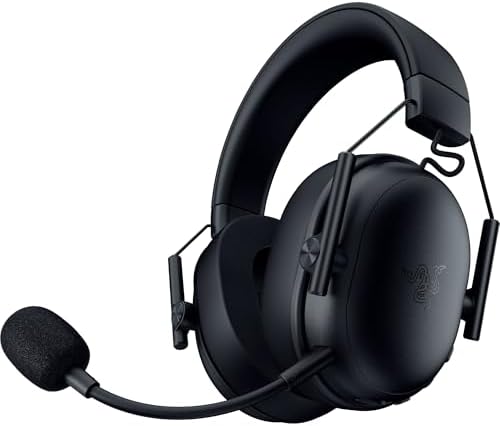
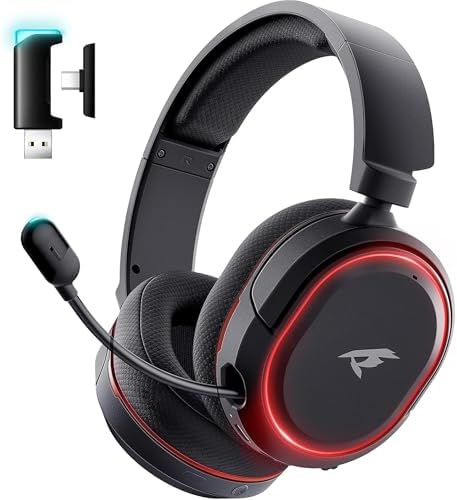
Why Choose a Wireless Headset?
One of the biggest advantages of a wireless headset is convenience. Traditional wired headsets require a physical connection to a computer, phone, or another device. Wireless models eliminate that restriction by using Bluetooth or a dedicated wireless receiver.
This makes them particularly useful for people who frequently switch between activities or need more freedom while working.
Here are some reasons why wireless headsets are worth considering.
1. More Freedom to Move
Wireless connectivity allows you to move around without being restricted by a cable. You can stand up, walk around your workspace, or reach for something while remaining connected to your device.
This flexibility can be especially helpful during long conference calls, remote work sessions, and everyday activities.
2. Convenient for Online Meetings
Many wireless headsets include built-in microphones that allow you to communicate without holding a phone or sitting directly in front of your computer.
A suitable microphone can help capture your voice clearly during video conferences, online classes, and business calls.
3. Better Workspace Organization
Removing unnecessary cables can make a desk setup look cleaner and more organized. Wireless headsets are particularly convenient for people who use laptops, tablets, and smartphones throughout the day.
4. Suitable for Multiple Activities
Depending on the design and connectivity options, one wireless headset may work for music, movies, online meetings, gaming, and phone calls.
However, not every model is suitable for every activity. Checking its intended use and compatibility is important before purchasing.
Different Types of Wireless Headsets
Before comparing individual products, it helps to understand the main types available. Each design offers different advantages depending on your preferences and daily routine.
Over-Ear Wireless Headsets
Over-ear headsets have large earcups that surround the ears. They are popular among people who want an immersive listening experience and comfortable coverage.
Many models include padded ear cushions and adjustable headbands, making them suitable for extended listening sessions.
They are worth considering for:
- Remote workers and office professionals
- Music and movie enthusiasts
- Frequent travelers
- People who prefer larger earcups
On-Ear Wireless Headsets
On-ear designs sit directly against the ears rather than surrounding them. They are often more compact than over-ear alternatives and can be easier to carry.
However, the pressure against the ears may become uncomfortable for some people during extended use.
These headsets can be a practical option for everyday listening and users who prefer a smaller design.
Wireless Gaming Headsets
Gaming headsets are designed around communication, entertainment, and low-latency audio. Many include dedicated wireless USB receivers, adjustable microphones, and controls for managing game and chat audio.
Some also support Bluetooth, allowing users to connect to compatible smartphones and other devices.
If you play competitive games, pay particular attention to connection latency and platform compatibility.
Bluetooth Headsets for Work
Business-oriented Bluetooth headsets usually prioritize microphone performance, call controls, and convenient connectivity.
Some designs include boom microphones, noise-reduction technology, and multipoint connections.
These features can be especially useful for remote employees, virtual assistants, customer support professionals, and people who regularly attend online meetings.
How to Choose the Best Wireless Headset
Choosing a wireless headset should involve more than comparing prices or looking at product ratings. The following features can help you identify which option offers the right combination of performance, comfort, and convenience.
1. Sound Quality
Sound quality should be one of your first considerations.
A good headset should reproduce audio clearly, with balanced bass, understandable vocals, and sufficient detail for your intended activities.
For music, you may prefer a sound profile with stronger bass and detailed high frequencies. For meetings and professional communication, clear voices are generally more important than powerful bass.
Look for information about driver size, supported audio codecs, and sound customization options.
Remember that a larger driver does not automatically guarantee better sound quality. The overall design and audio tuning also matter.
2. Microphone Quality
Microphone quality is particularly important if you regularly attend meetings, make business calls, or communicate while gaming.
A headset may produce excellent audio for listening but still have a microphone that struggles to capture your voice clearly.
Consider these features:
- Built-in or adjustable boom microphone
- Background noise reduction
- Voice pickup clarity
- Microphone mute controls
- Retractable or detachable microphone design
If you work in a busy environment, look for microphone systems designed to reduce unwanted background sounds.
Also, remember that microphone noise reduction and active noise cancellation are different technologies. One focuses on outgoing voice, while the other reduces noise you hear.
3. Battery Life
Battery life determines how long you can use a wireless headset before recharging it.
This is particularly important for people who spend several hours working, attending meetings, traveling, or gaming.
Compare the manufacturer’s stated battery life and check whether the figure applies with features such as active noise cancellation enabled.
Some useful things to consider include:
- Total playback time
- Talk time during calls
- Charging time
- USB-C charging support
- Quick charging availability
- Battery performance with additional features enabled
A longer battery rating can reduce charging interruptions, but actual results depend on volume, connection type, microphone use, and other settings.
4. Active Noise Cancellation
Active noise cancellation (ANC) uses microphones and electronic processing to reduce certain environmental sounds.
It can be useful when working in shared offices, traveling on public transportation, or listening to music in noisy environments.
However, ANC performance differs between headsets.
Some models are better at reducing consistent low-frequency sounds, such as engine noise, while other environmental sounds may remain noticeable.
You should also check whether the headset includes a transparency or ambient sound mode. This feature allows outside sounds to pass through when you need to remain aware of your surroundings.
5. Wireless Connectivity and Range
Most consumer wireless headsets use Bluetooth, while some gaming and professional models also use dedicated USB wireless receivers.
Bluetooth is convenient because it works with many smartphones, tablets, and computers.
Dedicated 2.4GHz wireless receivers can offer lower latency for gaming and other applications where audio synchronization matters.
Before buying, check:
- Supported Bluetooth version
- Wireless connection stability
- Bluetooth multipoint support
- USB receiver availability
- Compatibility with your devices
- Manufacturer-stated wireless range
Bluetooth multipoint is especially useful if you regularly switch between a smartphone and computer. However, not every Bluetooth headset supports it, so check the specifications rather than assuming it is included.
6. Comfort and Fit
Comfort is one of the most important factors when choosing a headset for everyday use.
A model may have excellent sound and connectivity, but it won’t be a good choice if it becomes uncomfortable after an hour.
Look for adjustable headbands, padded earcups, breathable materials, and a design that distributes pressure evenly.
Weight also matters. Lightweight headsets can be easier to wear for extended periods, although the fit and padding are equally important.
If possible, check customer feedback about long-term comfort, especially from people who use their headsets for several hours daily.
7. Device Compatibility
Not every wireless headset works equally well with every device.
Some models support smartphones, tablets, Windows computers, and Mac computers through standard Bluetooth connectivity. Others require a specific USB receiver or software installation.
Gaming headsets may have additional platform restrictions.
Before purchasing, confirm that the headset supports your intended devices, operating systems, and connection methods.
If you want to use one headset for work and entertainment, consider whether it supports both Bluetooth and dedicated wireless connectivity.
What Are the Benefits of Buying a Wireless Headset?
Wireless headsets offer several practical advantages beyond eliminating cables.
Improved mobility: You can move around your workspace without constantly disconnecting your headset.
Convenient communication: Built-in microphones make online meetings, voice calls, and gaming communication easier.
Flexible connectivity: Many models support different devices, allowing you to use the same headset with a phone, tablet, or computer.
Less cable clutter: A wireless setup can make your workspace cleaner and easier to organize.
Personal listening experience: Features such as ANC, sound customization, and different listening modes can help you adjust audio to your environment.
The benefits depend on the headset’s design and features, so compare specifications carefully before making a decision.
What to Consider Before Buying a Wireless Headset
Before choosing from the available options, consider your budget, daily activities, and preferred features.
Here are some additional buying factors worth checking.
Your Primary Purpose
Start by identifying how you will use the headset most frequently.
If you mainly attend online meetings, prioritize microphone quality and comfort. For music, focus on sound performance and battery life. For gaming, check latency, microphone controls, and platform compatibility.
Choosing according to your primary activity can help you avoid paying extra for features you rarely use.
Your Budget
Wireless headsets are available at different price levels.
Budget-friendly options may offer basic Bluetooth connectivity, built-in microphones, and straightforward controls.
Mid-range options may include improved comfort, longer battery life, and additional noise-control features.
Premium models may offer advanced ANC, better microphones, customizable audio, and more flexible connectivity.
You don’t necessarily need the most expensive option. Focus on the features that will make a meaningful difference to your everyday experience.
Build Quality and Durability
Check the materials used for the headband, hinges, earcups, and adjustment mechanisms.
A well-constructed headset should feel stable during normal use. Replaceable ear cushions and detachable cables can also make maintenance easier.
Look for customer feedback mentioning durability, loose hinges, charging problems, or other recurring issues.
Controls and Ease of Use
Physical buttons or touch controls allow you to adjust volume, answer calls, pause music, and mute the microphone without reaching for your phone or computer.
Consider whether the controls are easy to locate and operate.
Some headsets also include companion applications for equalizer adjustments, firmware updates, and customized settings.
Warranty and Customer Support
Before buying, review the manufacturer’s warranty and return policies.
Check what is covered, how long the warranty lasts, and whether replacement parts are available.
Reading recent customer feedback can also help you understand common issues and the quality of after-sales support.
Common Mistakes to Avoid When Buying Wireless Headsets
Avoiding a few common mistakes can make your purchase more worthwhile.
Choosing based only on price: A low price doesn’t always mean good value. Consider sound, comfort, microphone performance, and durability together.
Ignoring microphone performance: Excellent listening quality does not guarantee clear communication. Check microphone-specific feedback if you attend frequent calls.
Overlooking compatibility: Always confirm whether the headset supports your computer, smartphone, gaming console, or other intended devices.
Assuming all wireless connections are the same: Bluetooth and dedicated 2.4GHz receivers have different advantages. Select the connection that suits your activities.
Ignoring comfort: Pay attention to weight, earcup padding, and headband adjustment, especially if you plan to wear the headset for long periods.
Trusting battery claims without checking conditions: Battery estimates may be based on specific testing conditions. Look for information about ANC, volume, and connection mode.
Who Should Buy a Wireless Headset?
Wireless headsets can be useful for many different types of users.
- Remote workers: Useful for video meetings, online collaboration, and professional calls.
- Students: Helpful for online classes, lectures, and studying in different environments.
- Gamers: Suitable for voice communication and wireless gaming, provided the connection meets the game’s requirements.
- Frequent travelers: Convenient for listening to music, watching movies, and reducing certain background noises.
- Content creators: Helpful for monitoring audio and communicating during recording or streaming sessions.
- Everyday users: A practical choice for music, entertainment, and phone calls without cable restrictions.
The best option is the one that matches your actual needs rather than simply having the longest feature list.
Frequently Asked Questions
1. Are wireless headsets better than wired headsets?
Wireless headsets offer greater mobility and fewer cables, making them convenient for work, travel, and everyday use. Wired headsets do not require battery charging and can provide a more straightforward connection. The better choice depends on your priorities.
2. How long should a wireless headset battery last?
It depends on how frequently you use it. For regular work and entertainment, look for a model that can comfortably handle your longest daily sessions. Also compare talk time and playback time because they may differ.
3. Are Bluetooth headsets good for online meetings?
Yes. Many Bluetooth headsets include microphones suitable for video meetings and phone calls. However, microphone clarity and background noise handling vary, so check those features before purchasing.
4. What is the difference between Bluetooth and 2.4GHz wireless?
Bluetooth is widely supported by phones, tablets, and computers. Dedicated 2.4GHz wireless receivers are common in gaming headsets and can provide lower-latency audio. Your choice should depend on device compatibility and intended use.
5. Is active noise cancellation worth it?
ANC can be useful when traveling, working in noisy offices, or listening in environments with consistent background noise. If you mainly use your headset in a quiet room, it may be less important than comfort, microphone quality, or sound performance.
6. Can I connect a wireless headset to multiple devices?
Some headsets support Bluetooth multipoint, which allows them to remain connected to multiple devices. However, this feature is not available on every model. Check the manufacturer’s specifications before purchasing.
7. What should I check before ordering a wireless headset on Amazon?
Review the product specifications, compatibility information, microphone features, battery estimates, customer feedback, warranty details, and return policy. Also make sure the selected model meets your intended requirements.
Final Thoughts
Choosing the right wireless headset is easier when you understand which features matter most. Sound quality, microphone performance, battery life, comfort, connectivity, and device compatibility should all play a role in your decision.
If you need a headset for professional calls, prioritize microphone clarity and comfortable wear. For entertainment, focus on sound performance and battery life. For gaming, pay attention to wireless latency and platform support.
Take time to compare the available options, read recent customer feedback, and check the specifications before purchasing.
A well-chosen wireless headset can make work, communication, and entertainment more convenient. Focus on your everyday needs rather than buying a model simply because it has the most features.

MD.HASAN is an experienced SEO expert and amazon products review writer passionate about helping people find right products on amzon for buy without confusion. With 4 years of hands-on experience in content strategy and search engine optimization, he specializes in writing SEO-friendly blog posts that rank, engage, and convert.


